|
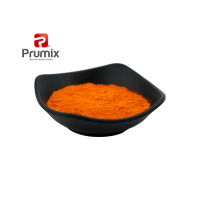
Safflower Yellow

Collect
商品说明
商品参数
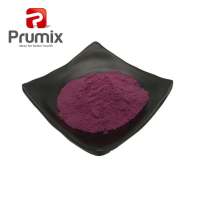
Physical and Chemical Properties Safflower yellow is a quinone chalcone compound, which is a mixture of various water-soluble components, mainly including safflower yellow A (saffloryellowA), safflower yellow B (saffChemicalbookloryellowB), HSYA, AHSYB, etc., which can promote blood circulation and remove blood stasis, relieve pain, and is used for stable exertional angina pectoris of grades I, and III caused by blood stasis in the heart, with symptoms such as chest pain, chest tightness, palpitations, and shortness of breath. Chemical Properties Safflower yellow is a dark red to dark purple crystal or powder. Melting point 238K. Slightly smelly. It is extremely difficult to dissolve in water, soluble in dilute alkali solution, and slightly soluble in ethanol. It is almost insoluble in ether. Pharmacological Effects Safflower yellow is extracted from the traditional Chinese medicine safflower, and is composed of a mixture of various water-soluble chalcone components. The main pharmacologically active ingredient is hydroxysafflower yellow A (HSYA), which has the effects of promoting blood circulation, removing blood stasis and relieving pain. Modern pharmacological studies have shown that safflower yellow pigment has the effects of dilating arterioles, increasing tissue blood perfusion, and improving microcirculation; it can also resist platelet aggregation, reduce blood viscosity, resist blood coagulation, inhibit thrombosis, and regulate blood lipids, remove harmful oxygen free radicals, and prevent excessive cell oxidation to play an antioxidant role. It is suitable for coronary heart disease, vascular embolic disease, hypertension, diabetic complications, etc. Uses Edible red pigment. Widely used in coloring soda, candy, cakes, ice cream, canned food, etc. Production Method The residue after removing safflower yellow pigment from the dried petals of the chrysanthemum plant safflower (Carthamustinctorius) is extracted with water, then extracted with an aqueous solution of sodium hydroxide or other alkalis, acid precipitated, separated, filtered, and dried. The yield is 0.7% to 0.8% of the dried flower. Edible grade dextrin can be added as a carrier. |